2026 French Open Betting Guide: What the Data Says About Roland-Garros
We’ve decided to publish this 2026 French Open betting guide because the French Open is the hardest Grand Slam to bet correctly.
Clay courts slow the ball down, extend rallies, punish weak movement, and expose poor endurance over long matches.
While Wimbledon rewards huge serves and quick points, Roland-Garros forces players to win rallies over and over again for hours at a time.
But despite the chaos people associate with clay-court tennis, the historical betting data tells a surprisingly clear story.
From 2015-2025:
- French Open underdogs consistently lost money
- Favorites became stronger and deeper into the tournament
- Most matches finished shorter than bettors expected
- and elite returners dominated both the ATP and WTA Tours
This 2026 French Open betting guide breaks down historical betting trends, player profiles that succeed on clay, and the key factors bettors should watch during the 2026 French Open.
Stop chasing points. Start following the Gold Standard of performance metrics with Phil’s expert analysis and tactical data.
Why Clay Tennis Is Different
Clay changes almost everything in tennis betting.
The slower surface:
- Reduces free points on serve
- creates longer rallies
- increases the breaks of serve
- rewards movement and endurance
- punishes weak second serves
- reduces randomness over five sets
That’s why elite returners become so dangerous at Roland-Garros.
ATP Return Leaders
| Player | Return Games Won |
|---|---|
| Francisco Cerundolo | 38.2% |
| Jannik Sinner | 36.7% |
| Casper Ruud | 33.3% |
| Novak Djokovic | 26% |
WTA Return Leaders
| Player | Return Games Won |
|---|---|
| Marta Kostyuk | 47.6% |
| Iga Swiatek | 46.9% |
| Coco Gauff | 45.8% |
| Mirra Andreeva | 43.0% |
Historical French Open Betting Trends (2015-2025)
The historical ROI data from completed French Open matches paints a very clear picture:
- Blindly betting on underdogs has been a disaster
- Favorites become stronger late in the tournament
- Totals are often inflated by marathon-match bias
- Public perception of clay tennis is often wrong
ATP: Favorite and Underdog ROI by Round
| Round | Favorite ROI | Underdog ROI |
|---|---|---|
| 1st Round | -0.30% | -22.26% |
| 2nd Round | -2.34% | -17.82% |
| 3rd Round | -4.13% | -36.10% |
| 4th Round | +2.82% | -41.01% |
| Quarterfinals | -0.14% | -29.14% |
| Semifinals | +18.40% | -58.15% |
| Final | +23.72% | -46.55% |
The deeper the tournament goes, the stronger elite players become.
Clay rewards:
- consistency
- endurance
- movement
- return quality
WTA: Favorite and Underdog ROI by Round
| Round | Favorite ROI | Underdog ROI |
|---|---|---|
| 1st Round | -5.29% | -57.03% |
| 2nd Round | -4.92% | -57.53% |
| 3rd Round | -0.53% | -56.71% |
| 4th Round | -11.88% | -42.78% |
| Quarterfinals | -13.50% | -46.32% |
| Semifinals | -8.82% | -48.18% |
| Final | +12.64% | -73.55% |
Even when favorites were not profitable overall, underdogs were dramatically worse.
Main lesson?
French Open underdogs are often overpriced emotionally by bettors looking for chaos.
Why French Open Totals Fool Bettors
Most bettors remember:
- five-set epics
- marathon finals
- legendary clay battles
But those matches are statistical outliers.
Most French Open matches actually finish shorter than public perception suggests.
The reason is simple: A handful of marathon matches inflate the average games total, while most matches still finish below that inflated expectation.
ATP Average Games by Round
| Round | Average Games |
|---|---|
| 1st Round | 35.63 |
| 2nd Round | 35.55 |
| 3rd Round | 34.81 |
| 4th Round | 34.05 |
| Quarterfinals | 34.86 |
| Semifinals | 37.15 |
| Final | 35.82 |
ATP Under ROI vs Historical Average
| Round | Under ROI |
|---|---|
| 1st Round | +5.8% |
| 2nd Round | +4.5% |
| 3rd Round | +5.3% |
| 4th Round | +3.6% |
| Semifinals | +14.6% |
| Final | +21.5% |
That’s a massive long-term trend.
The public consistently overestimates how long French Open matches actually last.
WTA Average Games by Round
| Round | Average Games |
|---|---|
| 1st Round | 21.27 |
| 2nd Round | 21.67 |
| 3rd Round | 21.80 |
| 4th Round | 21.15 |
| Quarterfinals | 22.66 |
| Semifinals | 23.00 |
| Final | 23.36 |
WTA Under ROI vs Historical Average
| Round | Under ROI |
|---|---|
| 1st Round | +3.8% |
| 2nd Round | +0.4% |
| 4th Round | +9.1% |
| Semifinals | +4.5% |
| Final | +13.6% |
Again, the same pattern appears: Public expectations are often inflated by memorable marathon matches.
Why Elite Returners Dominate Roland-Garros
The French Open is usually decided by:
- return pressure
- second-serve punishment
- physical endurance
- rally tolerance
That’s why the strongest clay betting profiles belong to elite returners.
Example: Jannik Sinner
Jannik Sinner:
- 93.1% service games won
- 36.7% return games won
- 47.4% break-point conversion
That combination explains why elite favorites become so dangerous over five sets.
Example: Iga Swiatek
Iga Swiatek:
- 46.9% return games won
- 49.4% break-point conversion
- 48.6% return points won
Swiatek’s return pressure helps explain why dominant clay-court favorites often produce quick, straight-set wins and shorter match totals.
Example: Coco Gauff
Coco Gauff:
- 45.8% return games won
- 47.8% return points won
Even when her serve fluctuates, Gauff’s elite movement and return game constantly keep her alive in matches.
Why Big Servers Become More Vulnerable on Clay
Clay reduces the value of pure serving.
That’s why certain hard-court profiles become less reliable at Roland-Garros.
Example: Taylor Fritz
Taylor Fritz:
- 89.1% service games won
- only 7.5% return games won
That gap is enormous.
Big servers can still hold serve effectively on clay, but weak return numbers become a major problem because French Open matches are usually decided through repeated break opportunities and long baseline exchanges.
Weather Could Change Conditions in Paris
Early forecasts suggest Paris could experience unusually hot weather during the opening week of the French Open.
Hotter conditions typically make clay:
- faster
- drier
- higher bouncing
That can:
- help aggressive baseline hitters
- slightly improve serving conditions
- create quicker points
- raise totals slightly compared to traditional heavy clay
However, elite returners and physically dominant players still historically maintain the biggest edge at Roland-Garros.
Over five sets, endurance and return pressure still decide most matches.
Best French Open Betting Profiles
The strongest Roland-Garros betting profiles usually feature:
- elite return numbers
- strong break percentages
- physical consistency
- endurance
- movement
- second-serve pressure
Some players fitting that profile include:
- Jannik Sinner
- Novak Djokovic
- Alexander Zverev
- Casper Ruud
- Iga Swiatek
- Coco Gauff
- Marta Kostyuk
- Mirra Andreeva
Biggest French Open Betting Mistakes
Blindly Betting Underdogs
Historical ROI numbers strongly warn against this strategy.
Overvaluing Aces
Return pressure matters more than pure serving on clay.
Blindly Betting Overs
Most matches finish shorter than public perception suggests.
Ignoring Weather
Hot conditions can speed up courts and slightly change totals.
Ignoring Physical Endurance
Five-set clay tennis exposes weaknesses in movement and conditioning.
Final Thoughts
The French Open rewards patience, movement, endurance, and return pressure more than any other Grand Slam.
The public often remembers dramatic five-set classics and Cinderella stories, but the historical betting data tells a different story:
- elite returners dominate
- Favorites become stronger late in the tournament
- Underdogs consistently lose money
- And most matches finish shorter than bettors expect
At Roland-Garros, disciplined betting almost always beats emotional betting.
2026 French Open Intelligence Center
2026 French Open Intelligence Hub
Everything that matters in Paris — entry lists, real clay rankings, and live market odds. No noise. Just what wins.
MEN’S FIELD
WOMEN’S FIELD
Independent analysis • No locks • No hype • No parlays

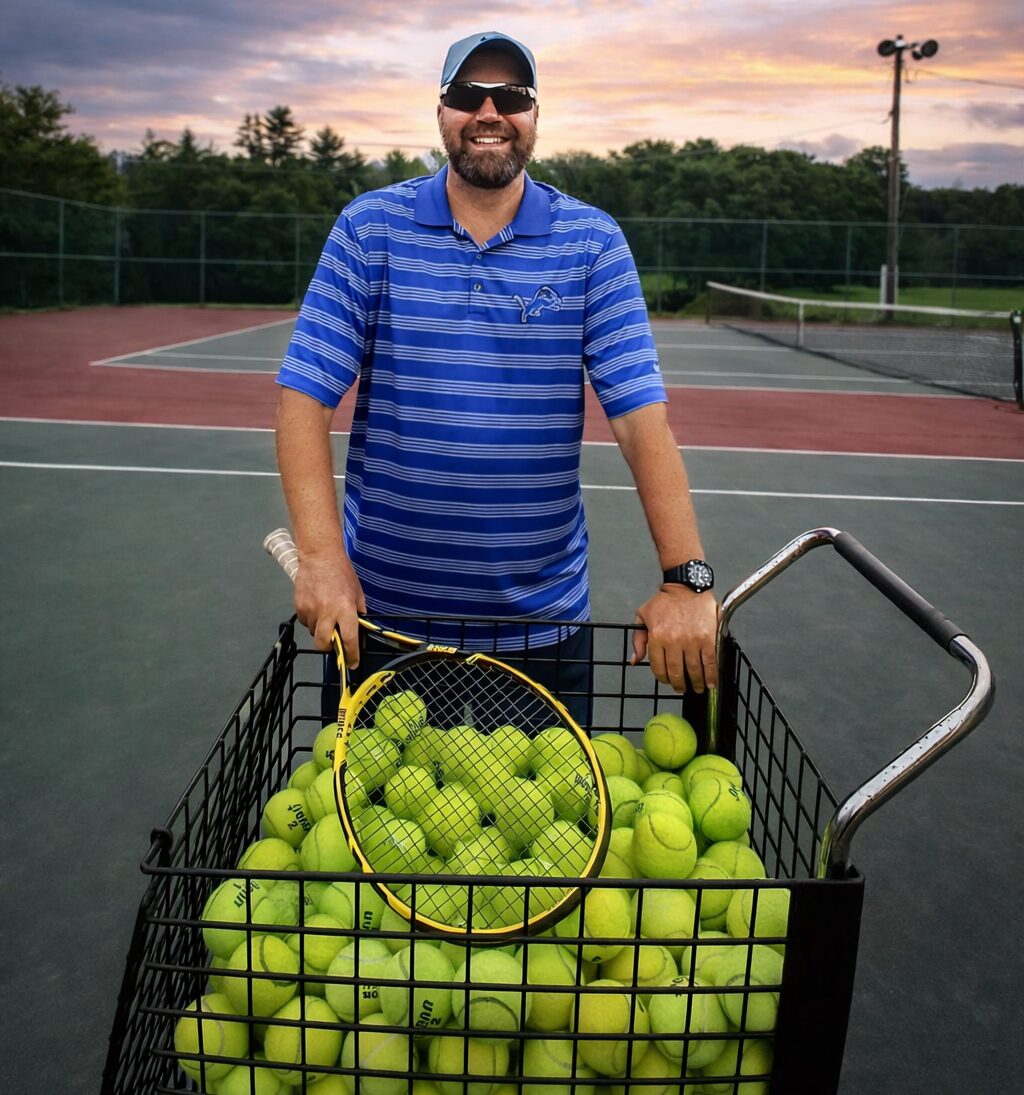
Phil Naessens has spent decades in sports as a broadcaster, author, journalist, professional tennis coach, and betting analyst. As the founder and editor of Crush & Rush News and host of the Crush & Rush Tennis Podcast, he combines firsthand coaching experience with years of sports media and publishing to deliver thoughtful tennis analysis, tournament coverage, player features, and transparent betting insights built around value, and not hype.