2026 Barcelona Open Betting Trends: Why Favorites Lose All Week—Until the Final
The 2026 Barcelona Open looks simple on the surface. Clay court, top players, predictable results.
But the numbers and trends tell a very different story.
Favorites win most matches all week, but if you blindly back them, you lose money. The only time that changes? The final.
Here’s what the data from 2014–2025 really shows, and what actually happens on court.
Read on for our 2026 Barcelona Open trends and betting notes backed by 12-years worth of betting data from multiple sportsbooks.
Master the Barcelona Clay
From Phil’s 2026 Clay Court Power Rankings to the full draw analysis and 12 years of historical betting trends, get the definitive fan and analyst guide to the Barcelona Open.
Barcelona Open · 2014–2025
Favorite Betting Performance
This table focuses on the “chalk” plays, highlighting where favorites are reliable and where they become a liability.
| Round | N | Record | Win % | Avg Odds | ROI |
|---|---|---|---|---|---|
| R64 | 158 | 109–49 | 69.0% | 1.45 | −2.13% |
| R32 | 145 | 107–38 | 73.8% | 1.37 | −0.76% |
| R16 | 70 | 52–18 | 74.3% | 1.36 | −0.47% |
| QFDanger | 37 | 25–12 | 67.6% | 1.35 | −13.11% |
| SFCoinflip | 20 | 13–7 | 65.0% | 1.34 | −19.50% |
| FinalLock | 10 | 9–1 | 90.0% | 1.32 | +19.60% |
* Completed matches only · Avg Odds = market average · ROI calculated per unit staked on favorite
That looks safe. It’s not.
Because the prices are so heavy, every one of those rounds produces negative ROI if even one large favorite is upset.
What’s happening on court is that favorites are being priced like this is a Masters 1000 event, when it isn’t.
The market assumes a clear gap between players, but in reality, some of those favorites aren’t true favorites in terms of level or form.
That mismatch keeps matches more competitive than expected, so even when favorites win, they’re not doing enough to justify the price.
Barcelona Open · 2014–2025
Underdog Betting Performance
This table focuses on the underdog plays, highlighting where the dogs find value and where they consistently disappoint.
| Round | N | Record | Win % | Avg Odds | ROI |
|---|---|---|---|---|---|
| R64Avoid | 158 | 49–109 | 31.0% | 3.30 | −13.56% |
| R32Avoid | 145 | 38–107 | 26.2% | 4.21 | −13.81% |
| R16 | 70 | 18–52 | 25.7% | 4.64 | −10.47% |
| QFEmerging | 37 | 12–25 | 32.4% | 4.32 | −2.38% |
| SFSignal | 20 | 7–13 | 35.0% | 4.73 | +7.10% |
| FinalFade | 10 | 1–9 | 10.0% | 4.44 | −54.10% |
* Completed matches only · Avg Odds = market average · ROI calculated per unit staked on underdog
Underdogs don’t dominate at the 2026 Barcelona Open, but they do enough to matter. They win at a low rate early in the week, and most of the time that’s not enough to turn a profit.
Barcelona isn’t a tournament where blindly backing underdogs pays off.
But as the week goes on, that changes slightly. Underdogs become more competitive in the later rounds and even show a small edge in the semifinals.
It’s not a huge advantage, but it’s another sign that favorites aren’t as reliable as the odds suggest.
Where are they playing next?
Don’t miss a single match. Get the latest ATP and WTA Entry Lists to see which stars are heading to next week’s tour stops.
Barcelona Open · 2014–2025
Totals & Volatility
This table focuses on match totals and game counts by round, showing where Barcelona plays short and where it opens up.
| Round | N | Avg Games | Over 22.5% |
|---|---|---|---|
| R64Under Lean | 158 | 21.96 | 33.5% |
| R32Under Lean | 145 | 21.83 | 38.6% |
| R16Under Strong | 70 | 21.94 | 31.4% |
| QFPlayable | 37 | 22.65 | 43.2% |
| SFUnder Lean | 20 | 21.75 | 30.0% |
| FinalUnder Lock | 10 | 18.40 | 0.0% |
* Completed matches only · Avg Games = total games across all sets · Over 22.5% = share of matches exceeding 22.5 total games
Totals tell a very clear story at the 2026 Barcelona Open, that this is an Under tournament.
The early rounds (R64, R32) and even the semifinals consistently produce shorter matches, while the Round of 16 is the strongest spot, with the lowest over rate all week.
Matches just don’t stretch the way people expect.
The only round that even gets close to a decision point is the quarterfinals, where totals tick up slightly.
But once you reach the final, it completely shuts down. The average match length drops to just 18.4 games with zero overs recorded.
That’s as strong an under signal as you’ll find anywhere.
How to Attack the 2026 Barcelona Open
The 2026 Barcelona Open is not a one-speed tournament. Matches play differently as the week goes on, and your approach needs to adjust with it.
In the opening rounds, better players win consistently, but the market prices that in.
Favorites are efficient from the start, and backing them blindly costs you money. You need more than a ranking edge to find value.
The round of 16 is where you pull back. Underdogs lose at their highest rate, totals are at their lowest, and there’s no clear angle. This is not a round to force.
By the quarterfinals, matches tighten. Sets get more competitive, and this becomes the most playable round to find mistakes in totals markets.
The biggest edge shows up in the semifinals.
Underdogs win 35% of the time at high prices, and it’s the only round where they show a profit. Matches are closer, but favorites are still priced like earlier rounds when they were more reliable.
The final is a different event entirely. Favorites win 90% of the time, matches are short, and the Under hits consistently.
One player is usually clearly better, and you should trust that.
Barcelona rewards patience. The edge isn’t picking one angle and riding it all week. It’s recognizing when the tournament changes and adjusting to it.

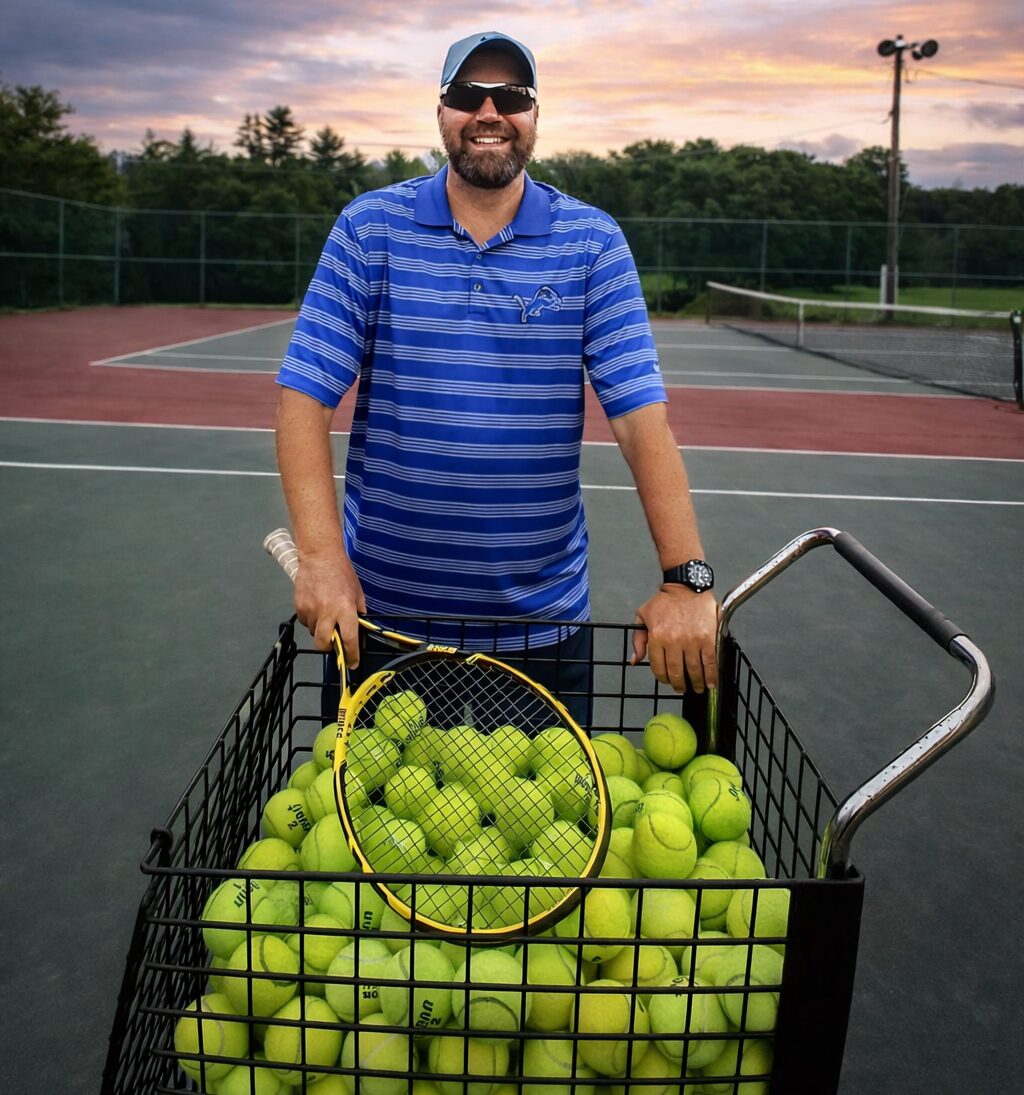
Phil Naessens has spent decades in sports as a broadcaster, author, journalist, professional tennis coach, and betting analyst. As the founder and editor of Crush & Rush News and host of the Crush & Rush Tennis Podcast, he combines firsthand coaching experience with years of sports media and publishing to deliver thoughtful tennis analysis, tournament coverage, player features, and transparent betting insights built around value, and not hype.